Hormonal Dynamics Across Fasting and Feeding Windows
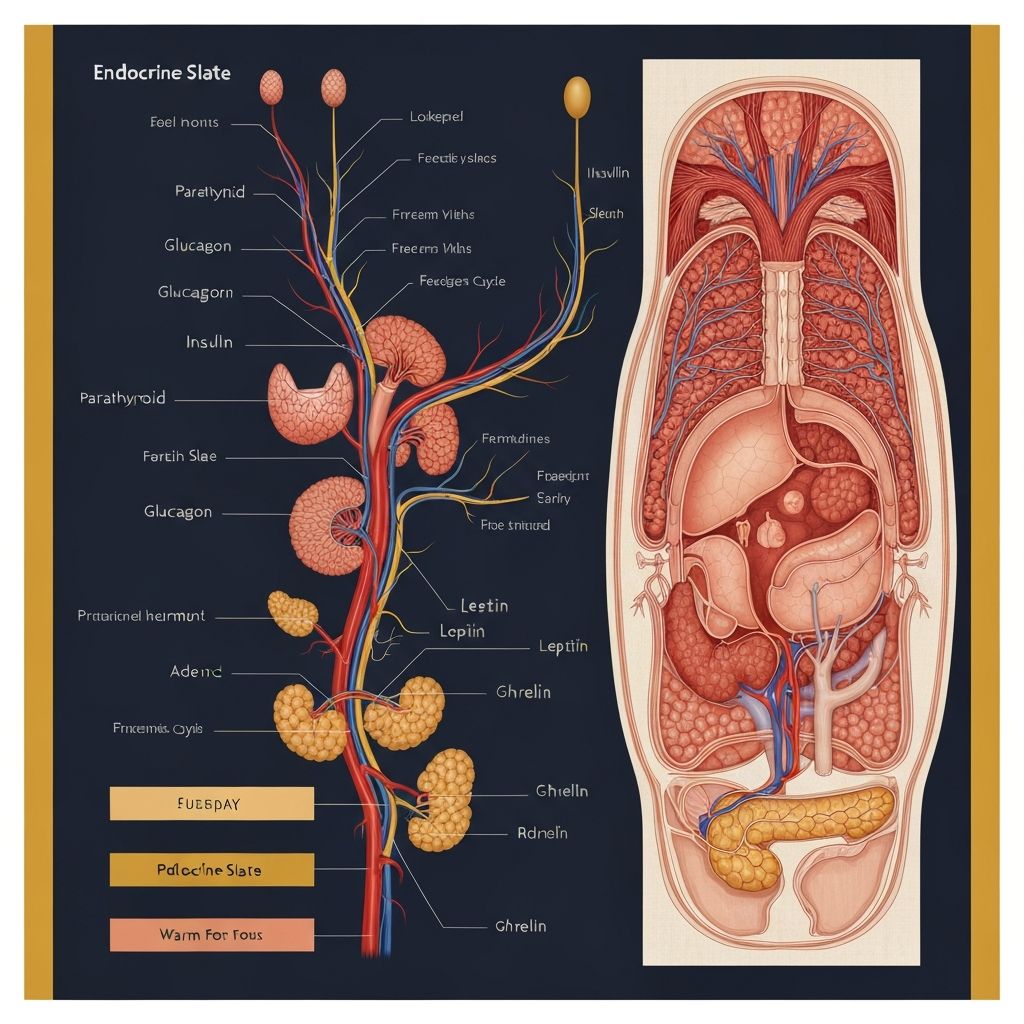
The Endocrine Response to Feeding State Transitions
The endocrine system functions as a comprehensive signalling network coordinating physiological adaptation to feeding-fasting state transitions. Hormonal molecules serve as chemical messengers communicating nutrient availability, energy status, and temporal context to distributed target tissues. The transition between fed and fasted states involves coordinated shifts in circulating hormone concentrations, orchestrating metabolic reorientation.
Temporal feeding patterns create predictable hormonal rhythms. Daily cycles of fasting-feeding generate oscillating patterns in hormone secretion that entrain with meal timing, becoming habitual. With sustained time-restricted eating, these hormonal oscillations adjust to new temporal windows, demonstrating the adaptive plasticity of endocrine regulation.
Insulin: The Storage Hormone
Insulin represents the primary anabolic hormone, orchestrating nutrient storage and suppressing catabolic processes. Pancreatic beta-cells secrete insulin in response to elevated blood glucose (the primary stimulus) and other nutrient signals, including amino acids and certain fatty acids.
Feeding State: Immediately following nutrient absorption, blood glucose elevation stimulates robust insulin secretion. Elevated circulating insulin promotes glucose uptake into muscle and adipose tissue, facilitates hepatic glycogen synthesis, and suppresses hepatic glucose production. Insulin simultaneously promotes amino acid uptake for protein synthesis and facilitates lipid storage via promotion of fatty acid synthesis.
Fasting State: As blood glucose declines during fasting, insulin secretion diminishes substantially. Low insulin concentrations remove suppression of hormone-sensitive lipase, facilitating adipose tissue triglyceride breakdown. Additionally, low insulin permits hepatic glucose production through glycogenolysis and gluconeogenesis, maintaining blood glucose homeostasis.
Circulating insulin concentration serves as a metabolic signal reflecting nutrient availability. Time-restricted eating creates temporal windows of low insulin concentration, representing physiological states differing substantially from continuous elevated insulin exposure typical of unrestricted eating patterns.
Glucagon: The Mobilisation Hormone
Glucagon, secreted by pancreatic alpha-cells, represents the counter-regulatory hormone opposing insulin. Glucagon secretion increases during fasting periods and physical exercise, rising as blood glucose declines.
Hepatic Glycogenolysis: Glucagon stimulates liver cells to phosphorylate glycogen phosphorylase, activating the enzymatic cascade degrading hepatic glycogen stores into glucose-6-phosphate. The enzyme glucose-6-phosphatase catalyses the terminal step, releasing free glucose into bloodstream for distribution to peripheral tissues.
Gluconeogenesis: Beyond glycogenolysis, glucagon promotes the synthesis of glucose de novo from non-carbohydrate substrates, primarily lactate, amino acids, and glycerol. This process intensifies during prolonged fasting when glycogen reserves diminish.
Lipolysis: Glucagon also promotes adipose tissue lipolysis, facilitating triglyceride breakdown and releasing free fatty acids for hepatic oxidation and energy production. These fatty acids simultaneously fuel ketone body synthesis.
The elevation of glucagon during fasting periods creates a metabolic state emphasising energy mobilisation and substrate availability for peripheral tissues, opposing the nutrient storage orientation characterising fed-state physiology.
Ghrelin: The Hunger Signal
Ghrelin, an orexigenic peptide hormone secreted by gastric oxyntic cells, stimulates feeding behaviour and energy intake. Circulating ghrelin concentration demonstrates marked elevation during fasting periods and rapid suppression following nutrient absorption.
Feeding Behaviour Stimulation: Ghrelin crosses the blood-brain barrier and acts upon hypothalamic neurons promoting feeding behaviour, particularly stimulating appetite for calorie-dense foods. The temporal peak of ghrelin elevation typically precedes habitual eating times, suggesting that ghrelin secretion becomes entrained to meal timing patterns.
Metabolic Effects: Beyond appetite stimulation, elevated ghrelin promotes growth hormone secretion, reduces energy expenditure, and facilitates metabolic substrate storage. These effects represent adaptive physiological responses appropriate to food scarcity conditions.
Adaptation to Time-Restricted Eating: Chronically restricted feeding windows initially produce elevated ghrelin during fasting periods. However, with sustained temporal eating patterns, ghrelin secretion adapts to the new temporal windows, with peaks shifting to coincide with anticipated eating times. This temporal adaptation reflects the entrainment of peripheral hunger signals to established meal timing.
Leptin: The Satiety Signal
Leptin, secreted by adipose tissue, functions as a satiety-promoting adipokine signalling energy reserves to hypothalamic feeding centres. Circulating leptin concentration correlates positively with adipose tissue mass and body fat percentage.
Fed-State Function: Elevated leptin during nutrient abundance inhibits hypothalamic appetite-promoting neurons and stimulates satiety-promoting neurons, suppressing feeding behaviour. This signal informs the central nervous system of adequate energy reserves.
Fasting Response: During fasting, circulating leptin declines as energy availability diminishes. Low leptin concentrations promote feeding-seeking behaviour and metabolic adaptation processes including increased orexigenic signalling and reduced energy expenditure.
Leptin and Metabolism: Beyond appetite regulation, leptin influences sympathetic nervous system activity, thyroid function, and reproductive endocrine status. Chronic leptin deficiency or resistance produces profound metabolic dysregulation and obesity.
Time-restricted eating patterns may modulate leptin dynamics through alterations in adipose tissue mass and circulating leptin concentrations, though individual responses demonstrate substantial variation reflecting genetic and environmental factors.
Growth Hormone: The Anabolic Counterpoint
Growth hormone (somatotropin), secreted by anterior pituitary somatotropes, exhibits the strongest pulsatile secretion during fasting and sleep phases. Elevated growth hormone during fasting facilitates protein preservation despite catabolism and promotes lipolysis.
Fasting-Phase Elevation: Growth hormone secretion increases during extended fasting periods and physical exercise, promoting mobilisation of stored energy whilst sparing protein. This hormone facilitates adipose tissue triglyceride hydrolysis and opposes protein degradation through anabolic signalling in skeletal muscle.
Metabolic Effects: Growth hormone antagonises insulin action (contributing to insulin-like resistance during fasting), promotes hepatic glucose production, and facilitates metabolic substrate shifting toward fat oxidation. The hormone also stimulates hepatic IGF-1 production, an anabolic mediator of growth hormone effects on peripheral tissues.
Time-restricted eating protocols creating extended fasting periods may enhance growth hormone secretion patterns, though the practical significance of this elevation remains subject to ongoing investigation and depends on numerous contextual variables.
Continue Exploring
Discover the biochemical pathways of ketone production:
Explore related metabolic concepts